A piece of art sat unrealized for years because my cinematic ambition exceeded the tools and resources available to me. Then the technology caught up with the imagination.
Back in the fall of 2019, my daughter was born with a rare and scary health condition that meant that, as a family, we had to drop everything and go live in the hospital for a week or two at a time without warning.
This was all still new and fresh when a group of collaborators, the people I trusted most in the world, tried to remove me from a film project that I had invested almost $20,000 into.
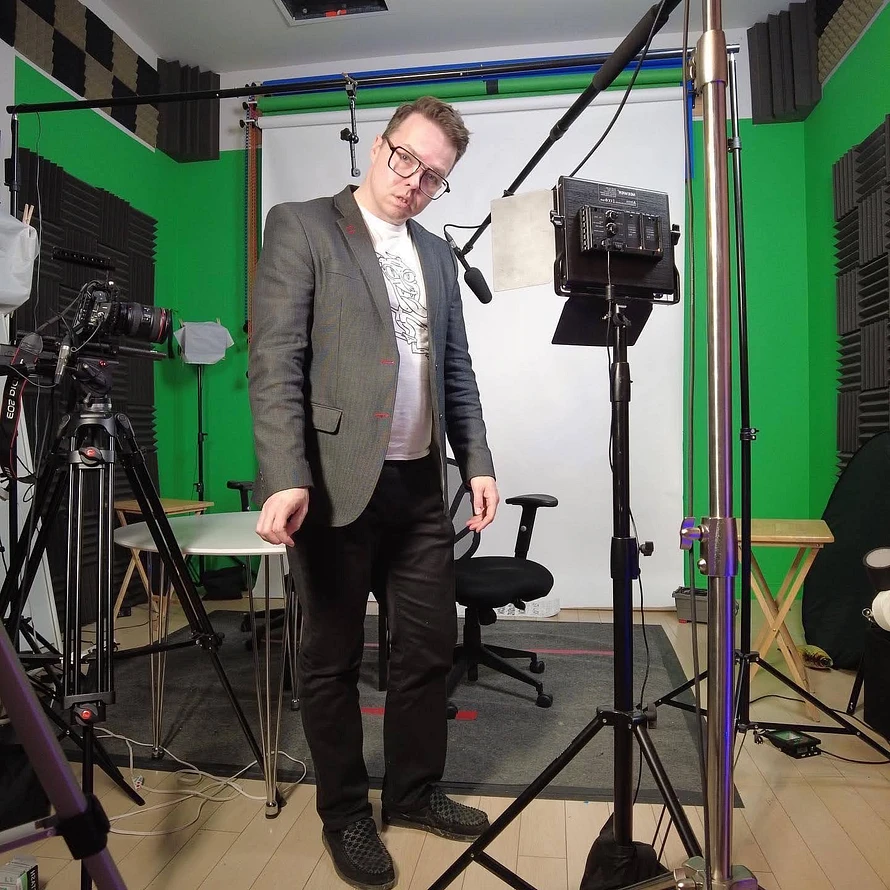
When I wouldn’t let them get away with it, they theatrically staged a walkout and took to social media to announce their departure from me and from my show.
I gave no public response at the time. Mostly because my attention was monopolized by what was happening with my family. Partly because I thought I was taking the high road.
What I did instead was write a diss track directed at the ringleader of the scheme, the main culprit, the guy who seemed to think that the fact I was investing in his vision and his IP somehow meant the project belonged to him, and that it would be as easy as hip-checking me out of the way and releasing the project without my involvement.
I had a vision for what I wanted the music video to be. But even using the cardboard-and-foil-wrap production values of my YouTube videos at the time, the scope of what I saw in my head was still way too big.
So I never recorded the song. Years went by.
Then I became obsessed with generative AI in much the same way I had once become obsessed with the indie comics hustle, and later obsessed with reaching 100,000 subscribers on YouTube.
The thing that grabbed me was the realization that the solo auteur suddenly had access to tools capable of bringing some very wild cinematic visions to life.
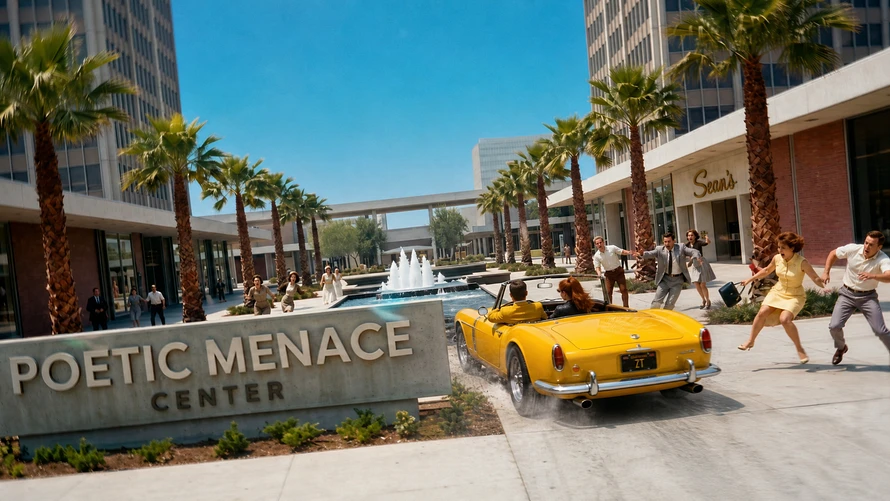
Earlier this year, Z. Thrillington finally recorded the song, and I got to work on the video.
I spent months prompting, generating, editing, compositing, and creating the illusion of sweeping single-take shots by stitching multiple generated clips together.
Then, halfway through the project, I was invited into the Dreamina Creative Partner Program and got access to some of the most advanced generative video tools on the market.
Suddenly, everything accelerated. I went from being halfway through a project that had already taken months, to finishing the rest of it in just a few weeks.
And now, seven years after I first saw the thing in my head, I’ve finally made it.
For me, “On Another Call” feels like the first true expression not only of what these tools are capable of in my hands, but of the kind of cinema I’ve been questing after this whole time.
If “You Up?” was my take on Breakfast at Tiffany’s and Viva Las Vegas, “On Another Call” is Danger: Diabolik and Thunderball, with a little bit of Giant Robo.
The song may have started as a reaction to something that happened in 2019, but seven years later, that part almost feels secondary.
The thing I couldn’t make then is real now.
And if anybody sees Lee Howard, tell him that he is, in fact, the bro who got an ego in the lyrics of this song.